

Buying a property is a big decision. It is not like buying a phone or a piece of furniture where you can change your mind after a few months. Once a large amount of money goes into a house, plot, or shop, getting that money back is not always easy.
When I first think about property investment, the first thing that comes to mind is location and price. But the more I look at how property buying actually works, the more I feel that there are many other things that deserve attention.
A property can look great in pictures and still have problems that you notice only after visiting it. The price can look attractive until you add registration, legal work, repairs and other expenses. Even a good-looking area may not be a good choice if there is poor road access or very little demand from buyers or tenants.
So, if someone is buying property for the first time, I think the safest approach is to slow down a little. Look at the property properly, ask questions, check the papers and understand the money involved before making a commitment.
1. Be Clear About Why You Want to Buy Property

Before searching for a property, I think it helps to decide what you actually want from it.
Are you buying a house because you want to live there? Are you looking for rental income? Do you want to purchase a plot and build something later? Or are you hoping to sell the property after several years?
These are not exactly the same investment.
For example, if you want rental income, you need to think about tenants and what they are looking for. If you want a home for yourself, things such as the neighbourhood, nearby facilities and your daily travel may matter much more.
Without knowing the purpose, it is easy to keep looking at properties without knowing what actually suits you.
2. Look at the Location With Everyday Life in Mind
A property can look beautiful, but I would not judge it only by the house itself.
Think about what it would be like to actually live there or own it for several years.
How is the road?
Can you easily reach the main market?
Is public transport available?
Are schools, hospitals or other useful places nearby?
What does the surrounding area look like?
These details may not seem exciting while you are viewing a property, but they can become very important later.
A simple house in a convenient location can sometimes make more sense than a beautiful house that is difficult to reach.
3. Visit the Property Yourself

I would never feel comfortable buying property just because the photos look good.
Photos can hide quite a lot.
The rooms may look spacious because of the camera angle. A road may look wide in a picture but feel different when you actually reach the property. You may also notice noise, traffic, parking problems or nearby construction that was not mentioned in the advertisement.
If possible, visit the property yourself.
And if you are seriously considering it, visit more than once. Seeing the area during the day and evening can give you a different idea of the place.
Talking to someone who already lives nearby can also be useful. They may know small things about the locality that a broker is unlikely to mention.
4. Do Not Treat Property Papers as a Formality
This is probably one of the parts I would take most seriously.
A house can look perfect from the outside and still have paperwork that needs careful checking.
Property transactions can involve different documents depending on the property, location and type of ownership. There may be title documents, sale-related papers, tax records, approved plans and other records that need to be checked.
If I did not understand something in the documents, I would rather ask a qualified property lawyer than assume that everything was fine.
It may feel like an extra expense at the beginning, but dealing with a legal problem after buying the property can be far more difficult.
5. Find Out Who Actually Owns the Property

Before paying a large amount, ownership should be clear.
This becomes particularly important when a property has more than one owner or comes through inheritance.
I would want to know who has the legal right to sell it and whether there are any other claims or complications connected with the property.
This is not the time to feel awkward about asking questions.
If someone is asking you to invest a large amount of your money, you have every right to understand what you are buying and who is selling it.
6. Keep the Extra Costs in Your Calculation
The advertised property price is only one part of the calculation.
There can be registration and stamp-related costs, taxes where applicable, brokerage, legal expenses, loan charges, repairs, renovation and other costs.
Even after buying a house, you may want furniture, appliances, painting or other work.
This is why I would avoid using every rupee available just for the purchase price.
Leave some room in the budget for the expenses that tend to appear after the deal.
7. Do Not Borrow More Just Because the Bank Allows It

This is an important one for anyone taking a home loan.
Suppose a bank says you are eligible for a certain loan amount. That does not mean you have to take the entire amount.
The bank is looking at eligibility. You also have to think about your everyday life.
There are groceries, bills, travel, family expenses, savings and other responsibilities. If you already have another loan, that matters too.
A bigger house may look tempting, but if the EMI leaves you worried every month, the extra space may not feel worth it.
I would rather stay within an amount that leaves some breathing room in the monthly budget.
8. Understand the Loan Instead of Only Looking at the EMI
When people compare home loans, the monthly EMI is usually the first number they notice.
But there is more to a loan than the EMI.
Look at the interest rate, tenure, total amount payable and applicable fees. Understand what happens if you repay early and what other conditions apply to the loan.
A lower EMI can sometimes come with a longer repayment period.
So before signing anything, I would make sure I understood the complete cost rather than deciding only because the monthly amount looked comfortable.
9. Do Not Believe Every Promise About Future Development
This is something I would be particularly careful about when buying a plot or property in a developing area.
You may hear things like:
“New road is coming.”
“A big project is going to start here.”
“This area will become very expensive soon.”
Maybe these things are true. Maybe they are not.
I would not put a large amount of money into a property simply because someone made a verbal promise about its future.
If future development is an important reason for buying, try to find reliable information about it.
The difference between “something may happen” and “there is confirmed development” can be quite important.
10. Think About Who Would Rent the Property
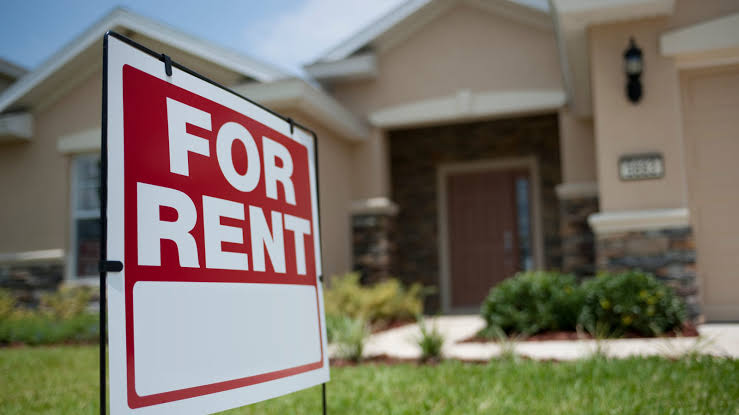

If rental income is your main reason for buying, try to look at the property from a tenant’s point of view.
A property might look perfect to you, but would someone actually want to rent it?
Students may prefer areas close to colleges. Working professionals may care about transport and distance from their workplace. Families may pay more attention to schools, markets, safety and everyday convenience.
Look around the area and see what similar properties are being rented for.
It is also worth finding out whether properties stay vacant for long periods.
Expected rent and actual rental demand are not always the same thing.
11. Compare Properties Before Choosing One
The first property you like can easily become your favourite simply because it is the first one you seriously considered.
I think comparing at least a few options gives you a better perspective.
You can note down things such as:
- Price
- Location
- Road access
- Property condition
- Nearby facilities
- Legal documents
- Expected rent
- Maintenance requirements
- Loan requirements
- Future development
You may discover that the property you liked most at first is not actually the best option when everything is placed side by side.
12. Keep Some Savings After the Purchase
This is easy to forget when you are focused on arranging the down payment.
After spending a large amount on property, there can be a temptation to use whatever money remains for furniture, interiors, appliances or renovation.
But unexpected expenses do not stop just because you bought a house.
A repair may come up. You may have a medical expense. Your income could change. Something else may require money.
So I would not want to put every last bit of my savings into the property.
Having some money available after the purchase can make the whole experience less stressful.
13. Do Not Expect Quick Profit
Property is often presented as an investment that will automatically become more valuable with time.
I would be a little careful with that idea.
Some properties do increase significantly in value. Others may grow slowly, and some may remain difficult to sell for a long time.
The location, demand, development, economy and many other factors can affect the price.
So instead of thinking, “I will definitely sell this for double in a few years,” I would look at whether the property makes sense even without that optimistic assumption.
That way, the decision is based on something more realistic.
14. Ask for Professional Help When Something Is Beyond Your Understanding

There is no prize for trying to understand every part of a property transaction alone.
Legal paperwork can be complicated. Loan terms can be confusing. Tax and registration matters may also depend on the particular transaction and location.
If something is unclear, getting help from an appropriate qualified professional can save you from making an expensive mistake.
The important part is not to blindly follow someone’s advice either. Understand what they are telling you and ask questions when something does not make sense.
A Property Buying Checklist I Would Keep
If I were making a property decision, I would probably keep a simple checklist instead of trying to remember everything in my head.
Before choosing the property:
- Decide what you want the property for.
- Fix a comfortable budget.
- Compare similar properties.
- Visit the area personally.
- Check roads and nearby facilities.
- Ask about ownership.
- Check the important property documents.
- Understand all additional costs.
- Calculate the loan and EMI properly.
- Check rental demand if income is the goal.
- Verify claims about future development.
- Keep some savings aside after the purchase.
There is no need to finish all of this in one day.
In fact, if someone is buying property for the first time, I think taking a little extra time is a good thing.
Things I Would Avoid as a First-Time Buyer

There are a few mistakes I would try very hard not to make.
I would not buy simply because a property looks beautiful in photographs.
I would not skip document checking because the seller seems trustworthy.
I would not take the biggest loan available just because I qualify for it.
I would not spend every bit of my savings on the down payment.
And I would definitely not buy because someone keeps telling me that “the price will double soon.”
A property decision should survive a little questioning. If asking basic questions makes the deal suddenly seem less attractive, that itself tells you something.
Final Thoughts
I think the biggest thing a first-time property buyer needs is patience.
It is easy to get excited when you find a house or plot that looks good. You start imagining what you could do with it, how it might look after renovation, or how much its value could increase in the future.
That excitement is normal, but it should not make the financial and legal checks disappear.
Before making a decision, I would look at the property from a few different angles. Does the price make sense? Is the location actually useful? Are the documents clear? Can I manage the loan without making my monthly life difficult? And if the property does not increase in value as quickly as expected, would I still be comfortable owning it?
Those questions may not make property buying exciting, but they can make the decision much safer.
You do not need to know everything about real estate to start. You just need to avoid rushing, check the things that matter and be honest about what you can afford.
For me, that is a much better starting point than simply searching for the property that promises the highest return.